


☝️ Key points at a glance
- Mirrorless system cameras offer state-of-the-art technology in a compact design - ideal for high-quality photo and video recordings. Nikon, Canon and Fujifilm are among the leading manufacturers, each with clear strengths in image quality, autofocus, video and operation:
- Nikon: excellent image quality, strong low-light performance, high level of detail, ergonomic operation.
- Canon: precise autofocus, very good video quality - especially for action and moving subjects.
- Fujifilm: creative colour profiles, intuitive retro design, a compact APS-C system with a strong price-performance ratio.
- System cameras for beginners:Fujifilm X-M5, Nikon Z50 II, Canon EOS R50 or EOS R100.
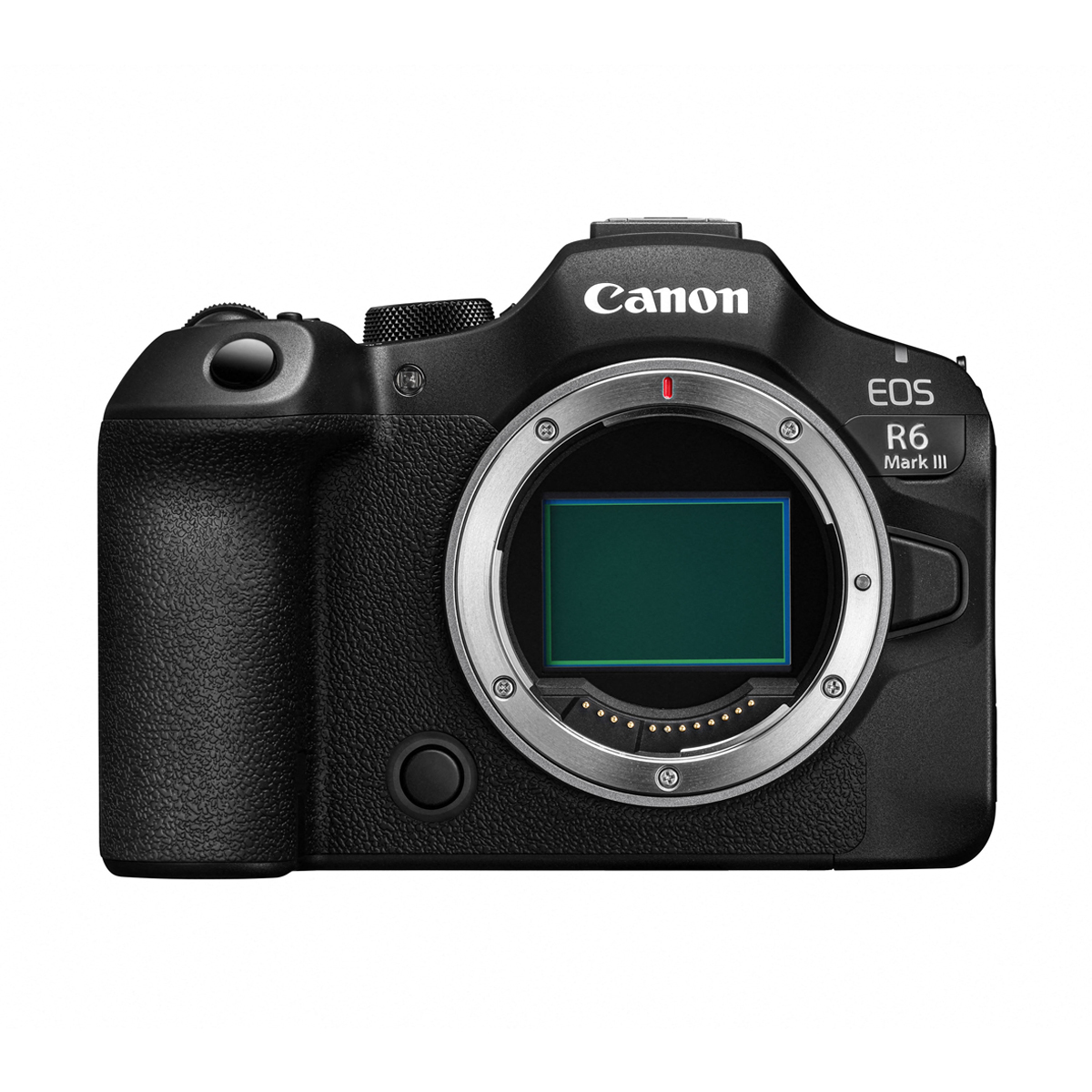
- System cameras for advanced users:Nikon Z6 III, Canon EOS R6 II, EOS R6 Mark III, EOS R7, EOS R8, Fujifilm X-E5 or Fujifilm X-T50.
- System cameras for professionals:Nikon Z9, EOS R1, Canon EOS R5 II, Fujifilm X-T5 or GFX100RF.
Here's how to do it
- Consider which subjects you photograph most often - the sensor size, autofocus performance and continuous shooting speed depend on this. Decide how important video is to you: simple 4K recordings, high-quality vlogs or professional productions with a high frame rate.
- Then choose the camera series that suits your requirements: Nikon for strong image quality and low-light, Canon for fast autofocus and video, Fujifilm for creative colour profiles and a compact APS-C system.
- Check the lens selection of the respective bayonet and consider which focal lengths you need now and in the future. Compare the recommended models of your desired brand in our table below and choose the camera that best suits you in terms of performance, features and ergonomics.

- What are mirrorless system cameras?
- What to look for when buying a mirrorless camera
- Nikon, Canon & Fujifilm compared
- An overview of the best camera series: Our recommendations
- New mirrorless cameras: Discover them now
- The 21 best mirrorless cameras compared
- Conclusion: Which mirrorless camera is the best choice in 2026?
- Find the right camera at Foto Siegl now
Mirrorless cameras have established themselves in recent years as the modern standard solution for high-quality photography and videography. They combine a compact design, fast sensors and flexible operation with image quality that clearly surpasses classic DSLR systems. This makes them suitable for virtually any task – from the ambitious amateur photographer to professional use. In 2026, the choice is more diverse than ever. Alongside tried-and-tested ranges from Nikon, Canon and Fujifilm, numerous new models have been added, ranging from affordable entry-level models and versatile all-round cameras to high-resolution professional flagship models.
In this comparison, we present the current top models from these three brands, highlight their specific strengths and offer recommendations on which camera best suits your photographic needs.

in stock

not in stock

not in stock

in stock

in stock

in stock

in stock

in stock

in stock

in stock

in stock

in stock

in stock

in stock

in stock

in stock

in stock

in stock
in stock

in stock

in stock

in stock

in stock
in stock
in stock

in stock

in stock

in stock

in stock

in stock

in stock
in stock

in stock

in stock

in stock

not in stock

in stock

in stock

not in stock

in stock

in stock

not in stock

in stock

not in stock

in stock

not in stock

in stock

in stock

in stock

in stock

in stock
in stock

in stock

in stock

in stock
in stock
in stock

in stock

in stock
What are mirrorless system cameras and why are they so popular?
Mirrorless cameras, also known as system cameras, operate without the mechanical mirror found in traditional DSLR models. Light falls directly onto the sensor, making the cameras more compact, lighter and technically more versatile. For many photographers, they are now the preferred choice because they make more efficient use of modern electronics and offer better performance in many areas.
They also offer:
- Electronic viewfinder with live preview: You can see how exposure, colours and contrast will look in the final image before you even press the shutter button. This makes composition easier and prevents overexposure.
- High continuous shooting speeds: As there is no mirror, mirrorless cameras can shoot much faster. This is ideal for sports, action and wildlife photography, where capturing the right moment is crucial.
- Autofocus with intelligent subject recognition: The sensor continuously provides image data. As a result, eye, face and object tracking work more precisely and reliably than on traditional DSLR models.
- Powerful video capabilities: 4K, 6K or 8K resolution, smooth autofocus tracking and professional video profiles make mirrorless cameras versatile hybrid devices for both photography and film.
- Modern lens systems: Nikon Z, Canon RF and Fujifilm X/GFX have been specially developed for mirrorless technology and offer high optical quality, ranging from fast prime lenses to compact zoom lenses.
What to look for when buying a mirrorless camera
Mirrorless cameras offer modern technology in a compact body, yet the choice of the right model should be well thought out.
A key criterion is sensor size: full-frame cameras deliver maximum image quality, high dynamic range and particularly good noise performance. APS-C models are lighter, more affordable and ideal for travel, portraits or street photography.
Autofocus and continuous shooting speed should also be considered depending on your intended use: for action and sports photography, fast burst modes and reliable subject recognition are essential. Those who film frequently should look for high video resolution (at least 4K) and precise autofocus.
Another important point is lens compatibility: depending on the brand, there is a varying range of interchangeable lenses available, and not every mount is compatible with older DSLR lenses. Native lenses for the respective system offer the greatest flexibility.
Finally, ergonomics also matter: the camera should sit comfortably in the hand, have a logical layout and be intuitive to use even in fast-paced situations. The interplay of feel, menu navigation and grip design often determines how well a camera performs in everyday use.

Nikon, Canon & Fujifilm: The best brands for mirrorless cameras
In 2026, Nikon, Canon and Fujifilm are among the leading manufacturers of mirrorless system cameras. Each brand pursues its own technical focus and impresses with distinct strengths, depending on whether you are looking for maximum image quality, first-class autofocus or a compact creative system. The following overviews are designed to help you find the right brand for your photographic style.
Nikon System Cameras – Technical Innovation & Versatility
| Strengths of Nikon | Nikon’s weaknesses |
|---|---|
| Excellent image quality and dynamic range thanks to Z-mount lenses | Slightly heavier and less compact compared to Fujifilm |
| Excellent low-light performance and precise autofocus | Video focus traditionally slightly weaker than on Canon |
| Robust, ergonomic bodies for outdoor use and reportage | |
| Wide selection of modern Z lenses |
Our experience: In real-world shooting situations, Nikon cameras particularly impress with their consistent performance in low light. Feedback from many outdoor and reportage photographers in specialist shops regularly confirms this strength.
Canon mirrorless cameras – The all-rounder for photo & video
| Canon’s strengths | Weaknesses of Canon |
|---|---|
| Dual Pixel CMOS AF II with fast, precise subject recognition | Higher price in the mid-range and high-end segments |
| Excellent video quality, ideal for hybrid photographers | Full 8K capabilities often only available in top-of-the-range models |
| Wide range of RF lenses | |
| High continuous shooting speeds for action, sport and wildlife |
Our experience: The Dual Pixel autofocus really comes into its own in practice, particularly with moving subjects. Sports and event photographers in particular often tell us that Canon offers one of the most reliable solutions in this area.
Fujifilm system cameras – retro design meets modern technology
| Strengths of Fujifilm | Weaknesses |
|---|---|
| Excellent colour profiles and film simulations | Limitations in extremely low light compared to full-frame |
| Compact APS-C cameras ideal for travel, street photography and everyday use | Limited lens selection compared to full-frame cameras |
| Intuitive operation with retro design and direct-select buttons | Less suitable for professional 8K video production |
| Wide selection of lightweight, high-quality Fujinon X lenses |
Our experience: Fujifilm really comes into its own wherever creative colour rendering and quick operation are key. Many photographers deliberately choose Fujifilm for its intuitive direct-selection buttons and excellent JPEG colours, which impress without the need for extensive post-processing.
An overview of the best camera series: Our recommendations
Below, we present the four main mirrorless camera systems from Nikon, Canon and Fujifilm. Each series offers its own technical focus, different sensor sizes and specific strengths – from compact APS-C models to high-performance full-frame and medium-format cameras. This overview will help you understand which system family best suits your photographic needs.
Nikon Z series: Top performance for the highest demands
The Nikon Z series forms the heart of Nikon’s entire range of system cameras. It comprises both full-frame and APS-C cameras. In particular, the innovative Z-mount allows more light to enter thanks to its large diameter, which further improves resolution and detail. The high-resolution electronic viewfinder provides a precise image preview, whilst the reliable autofocus system works accurately even in low light.
Tip: DSLR lenses can still be used with the FTZ adapter. However, you’ll achieve the best optical quality with the specially developed Nikon Z lenses.
Canon EOS R Series: Excellent autofocus for photos and video
The mirrorless cameras in the Canon EOS R series are best known for their outstanding autofocus technology. Thanks to Dual Pixel autofocus, they track subjects extremely quickly and reliably. The range includes both full-frame and APS-C models, making it ideal for a wide variety of applications, from portrait and action photography to professional video production.
Explore Canon mirrorless cameras
Tip: Native RF lenses get the best performance out of your Canon camera. You can also use EF lenses via an adapter.
Lenses for Canon mirrorless cameras
Fujifilm X Series: Compact APS-C cameras with superb image quality
The Fujifilm X Series combines excellent image quality with a classic retro design. Fujifilm is particularly renowned for its excellent colour reproduction and unique film simulations, which allow you to achieve superb JPEG results straight from the camera. The compact APS-C system is ideal for creative photography, street photography and travel.
See the Fujifilm system cameras
Tip: For the highest image quality, we recommend the Fujinon X lenses, developed specifically for the X system. If you already own other lenses (e.g. Leica M, Nikon F, Canon EF), you can continue to use them without any issues with a Fujifilm M-mount adapter.
Fujifilm GFX series: Medium format for the most demanding requirements
The Fujifilm GFX series is aimed at photographers who require maximum image quality and detail. The large medium-format sensor offers extreme depth of detail, a wide dynamic range and low image noise. With the new GFX100RF, Fujifilm is expanding the system with a 102-MP model featuring powerful video capabilities.
Discover Fujifilm’s medium-format cameras
New system cameras: Discover them now
In 2025, numerous impressive models were unveiled that are currently shaping the mirrorless segment:- Nikon: expanded the Z series with the Nikon Z5 II, a solid full-frame model for ambitious amateur photographers featuring improved autofocus and modern 4K video capabilities.
- Canon: launched several new cameras in 2025: the entry-level models EOS R100 and EOS R50, the APS-C models EOS R10 and EOS R7, and the lightweight full-frame camera EOS R8. In addition, the upgraded EOS R6 Mark III hybrid camera was released, featuring higher resolution, powerful autofocus and fast continuous shooting performance. The new professional flagship, the EOS R1, sets new standards in speed and 8K video.
- Fujifilm: expanded the X-series with the compact Fujifilm X-E5, the video-oriented Fujifilm X-Half and the premium compact Fujifilm X100VI with a fixed 23mm lens. With the Fujifilm GFX100RF, Fujifilm is adding a new top-of-the-range medium-format model to its portfolio for studio, landscape and fine art photography.

in stock
in stock
in stock
in stock
in stock
in stock
in stock
in stock
in stock
in stock
in stock
in stock
You can find all models, along with details and recommended uses, in our comprehensive comparison table.
A comparison of the best mirrorless cameras from Nikon, Canon and Fujifilm
To help you make your decision, we’ve clearly compared the best models from Nikon, Canon and Fujifilm here – including our clear recommendation for each brand.
| Our recommendation | Model | Key features | Usage |
|---|---|---|---|
| Best Nikon model | Nikon Z9 | 45.7 MP full-frame, 20 fps, ISO 64–25,600, 8K video, professional autofocus, robust body | Sports, wildlife and professional photography, as well as videography |
| Nikon Z6 III | 24.5 MP full-frame, 14 fps, ISO 100–51,200, 4K video, dual card slots, 493 phase-detection autofocus points | All-round (portrait, landscape, sport and action, travel, video) | |
| Nikon Z8 | 45.7 MP full-frame, 20 fps, ISO 64–25,600, 8K video, excellent detail resolution, Expeed 7 image processor, weather-sealed body | Landscape and portrait photography, sports and action | |
| Nikon Z5 II | 24 MP full-frame, improved AF, dual card slots, 4K video, weather-sealed | Ambitious beginners, travel, portrait, landscape | |
| Nikon Z50 II | 20.9 MP APS-C, 11 fps, ISO 100–51,200, 4K video, compact | Travel, everyday use, beginners and vloggers | |
| Best Canon model | Canon EOS R1 | 45+ MP full-frame, stacked CMOS, up to 40 fps, 8K video, professional AF, weather-sealed | Professional photography and videography, sport, reportage, wildlife |
| Canon EOS R5 II | 45 MP full-frame, 20 fps, ISO 100–51,200, 8K video, Dual Pixel CMOS AF II, image stabilisation | Professional photography, video, events, studio, action, landscape photography | |
| Canon EOS R6 Mark III | 32.5 MP full-frame, 40 fps electronic, 12 fps mechanical, 7K RAW video, Dual Pixel AF II, IBIS | Demanding hybrid photography, weddings, reportage, action, video | |
| Canon EOS R6 II | 24.2 MP full-frame, 40 fps, ISO 100–102,400, 4K video, powerful autofocus, image stabilisation | Sports, action, portrait and landscape photography, low-light photography and videography | |
| Canon EOS R8 | 24 MP full-frame, 40 fps electronic, 4K/60p, Dual Pixel AF II | Affordable full-frame, low-light, video, travel | |
| Canon EOS R7 | 32 MP APS-C, 15 fps, 4K/60p, IBIS, weather-sealed | Nature, sports and action photography, wildlife | |
| Canon EOS R10 | 24 MP APS-C, 15 fps, 4K/60p, advanced AF | Action, sport, travel, nature photography | |
| Canon EOS R50 | 24 MP APS-C, Dual Pixel CMOS AF II, 4K/30p without cropping, lightweight and compact | Beginners, vlogging, everyday life, travel | |
| Canon EOS R100 | 24 MP APS-C, simple AF, Full HD video, very compact | Affordable entry-level option, family, holiday and everyday photography | |
| Best Fujifilm model | Fujifilm X-T50 | 40.2 MP X-Trans CMOS 5 HR sensor, APS-C, five-axis image stabilisation, X-Processor 5, 6.2K/30p and 4K/60p | Street photography, reportage, travel, creative photography and videography |
| Fujifilm X-T5 | 40 MP X-Trans CMOS 5 HR sensor (APS-C), X-Processor 5, 15 fps, 6.2K/30p, IBIS (up to 7 stops), weather-sealed body | Professional photography, videography, vlogging and content creation, outdoor | |
| Fujifilm X-E5 | 40 MP APS-C X-Trans, IBIS, weather-sealed, 6.2K/30p, film simulations | Creative all-round photography, travel, street, video | |
| Fujifilm X-Half | APS-C, video-oriented, 4K/120p, flexible display | Content creation, vlogging, event and travel video | |
| Fujifilm X-M5 | 26.1 MP X-Trans CMOS 4 sensor (APS-C), X-Processor 5, 30 fps, 6.2K/30p, compact and lightweight body | Beginners and advanced photography enthusiasts, vlogging and content creation, travel, everyday life, sports action | |
| Fujifilm X100VI | 40 MP APS-C, fixed 23 mm f/2, IBIS, 6.2K video, retro design | Street photography, reportage, travel, everyday life | |
| Best Fujifilm model – medium format | Fujifilm GFX100RF | 102 MP medium format BSI sensor, IBIS, 8K video, dual processor, weather-sealed | Fashion, studio, landscape, fine art |
Conclusion – Which mirrorless camera is the best choice for you?
Choosing the right mirrorless camera depends above all on how and what you photograph. The systems from Nikon, Canon and Fujifilm offer suitable solutions for every need – from lightweight entry-level models to professional full-frame cameras.
For beginners:
If you’re looking for a compact, easy-to-use camera, models such as the Fujifilm X-M5, Nikon Z50 II or Canon EOS R50 are ideal. They offer excellent image quality combined with straightforward handling and are perfect for travel, everyday use and your first creative projects.
For versatile all-round use:
For photographers working across a wide range of genres – from portraits and landscapes to reportage – cameras such as the Nikon Z6 III, Canon EOS R6 II, Canon EOS R6 Mark III, Canon EOS R7, Fujifilm X-T50 or Fujifilm X-E5 are recommended. They combine high speed, excellent image quality and flexible video options.
For professional requirements:
When maximum resolution, robustness and speed are crucial, full-frame flagship models such as the Nikon Z8, Nikon Z9, Canon EOS R5 II or Canon EOS R1 offer top performance for sports, reportage and demanding videography. Creative photographers who place particular emphasis on colour reproduction and portability will find excellent alternatives in the Fujifilm X-T5 or the premium compact Fujifilm X100VI. For the highest image quality in studio and fine art photography, the Fujifilm GFX100RF is available.
In our advisory service, we work daily with photographers from a wide range of fields – from beginners to professional users. This experience informs our recommendations and helps you find a model that suits your style and subjects in the long term.
Find the right mirrorless camera at Foto Siegl now!
At Foto Siegl, you’ll find a wide selection of mirrorless system cameras and high-quality accessories from leading brands such as Nikon, Canon and Fujifilm. Whether you’re just starting out in photography, undertaking demanding professional shoots or working on creative video projects – you’ll find the right model for your needs here.
If you’d like help choosing, we’d be happy to assist you personally. Simply use the contact form
in the shop – our expert advisors are on hand to offer their experience.
By the way:
to make getting started as easy as possible, we also offer attractive mirrorless camera kits – ideal for getting straight out and taking photos!
You’ll also regularly find deals
and exclusive offers
on cameras, lenses and accessories in our shop.